We drove and drove and drove through Texas and Oklahoma to get to Little Rock, AK, to see a school garden that is acting as a pilot for a USDA study on childhood obesity and the effects of food gardening in schools as a preventative health measure. I had the luck of running into a group of three folks from the Delta Garden Study at the Free Farm when I just happened to be there checking the irrigation when it wasn’t a volunteer day, and they just happened to be walking by without planning to stop at the Free Farm. They hollered down and I opened the gate so they could come check out the garden and we got into a quick chat about both of our projects. I was really interested in the work they were doing so it seemed like a great place to stop.

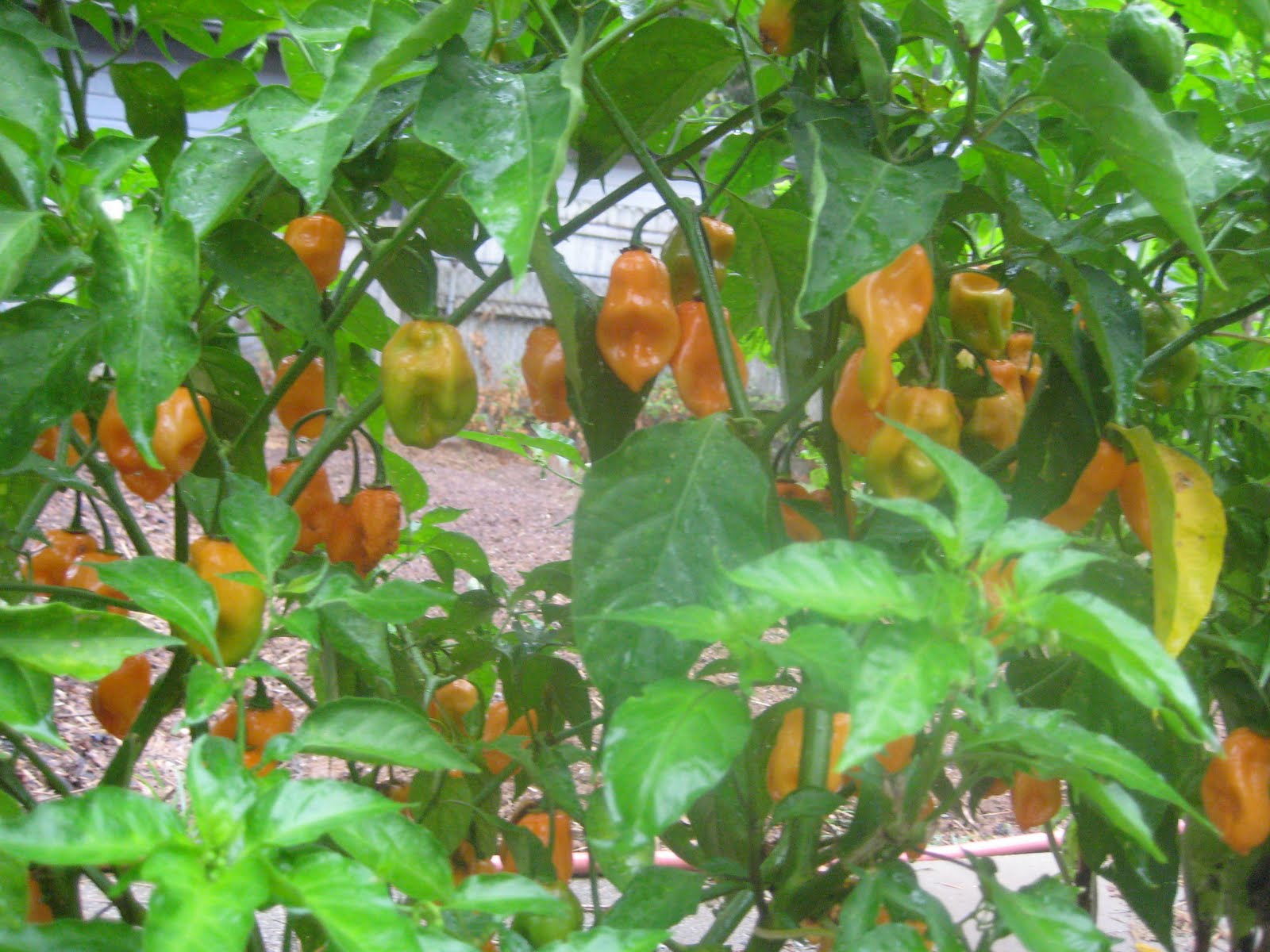
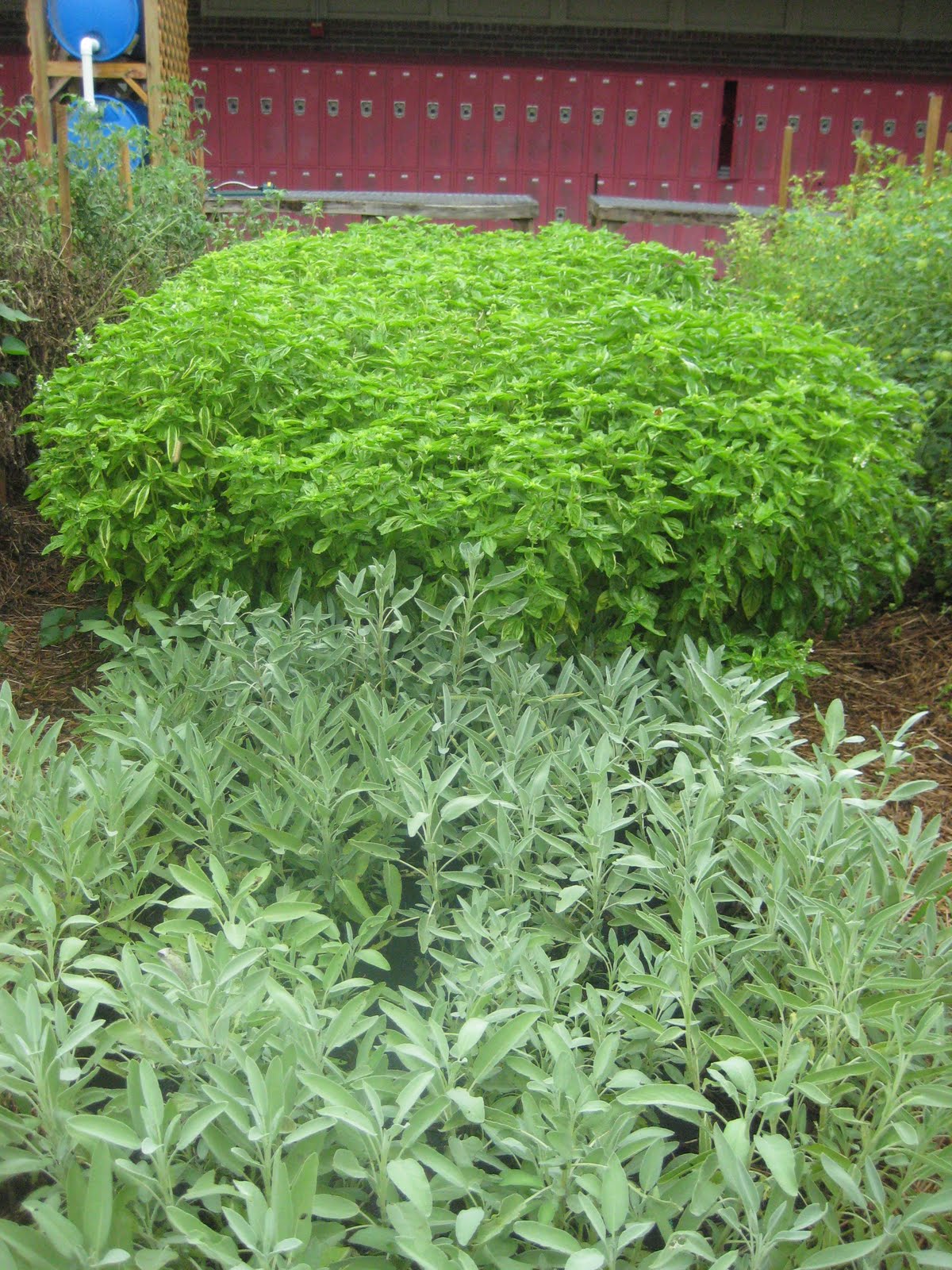
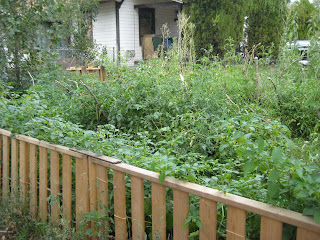
Chris's home garden with hot peppers and basil along the fence.

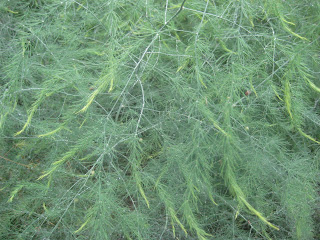
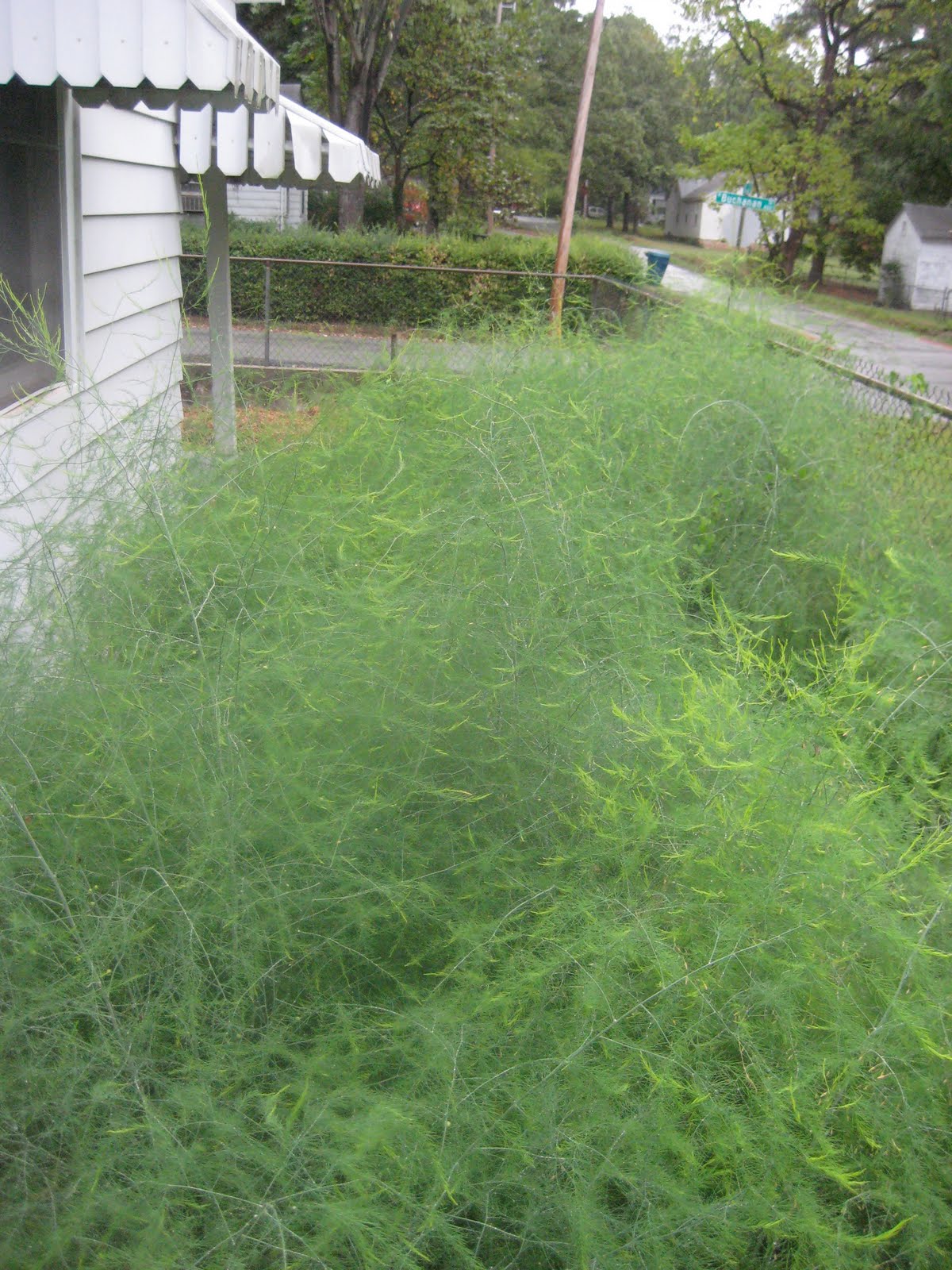
We met and stayed with Chris, who is the garden coordinator at the Delta Garden Study at Mabelvale Magnet Middle School, and another wonderfully kind soul doing amazing work. Chris is one of those people who is doing a million different awesome projects at once, handling them all flawlessly, and is incredibly modest about the whole thing. He mentioned right before we got into Little Rock that he was working on a creating an urban farm at his home, which was quite an understatement when we arrived to a beautifully cultivated farm style garden, set up for maximum food production, including things I could barely contain my envy like a hedge row of blueberry bushes across the front of the house and an asparagus jungle tall enough to meet the window of the room we slept in. Chris has been running a small CSA to friends and family this past summer, and is planning to expand in small, manageable steps over the next few years.
Isn't asparagus such a beautiful plant?

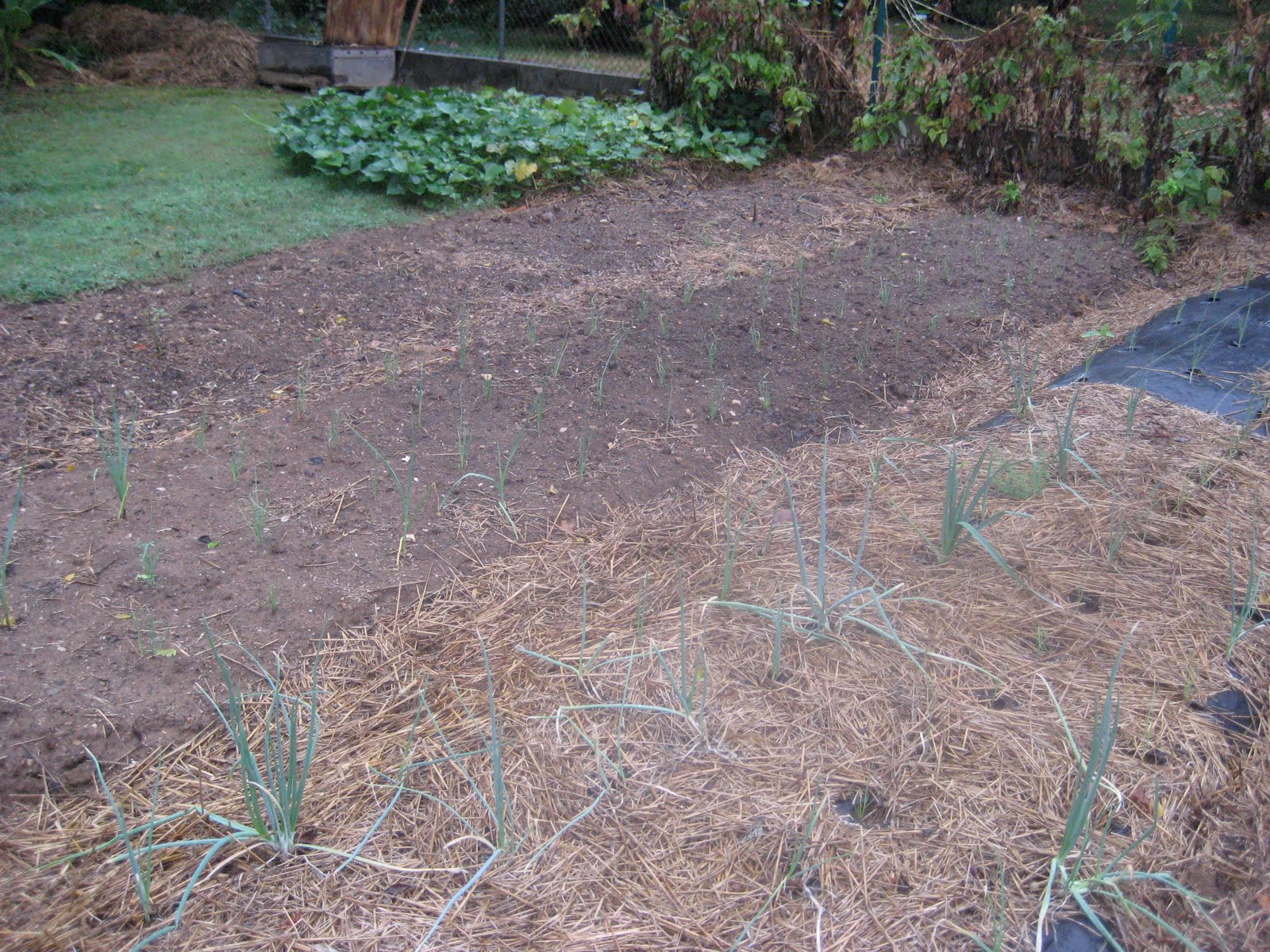
Worm bin and newly planted leeks.

The end of the summer peppers and the bare beds with recently spread cover crop seeds.

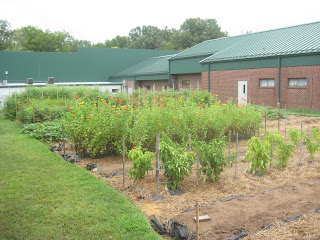
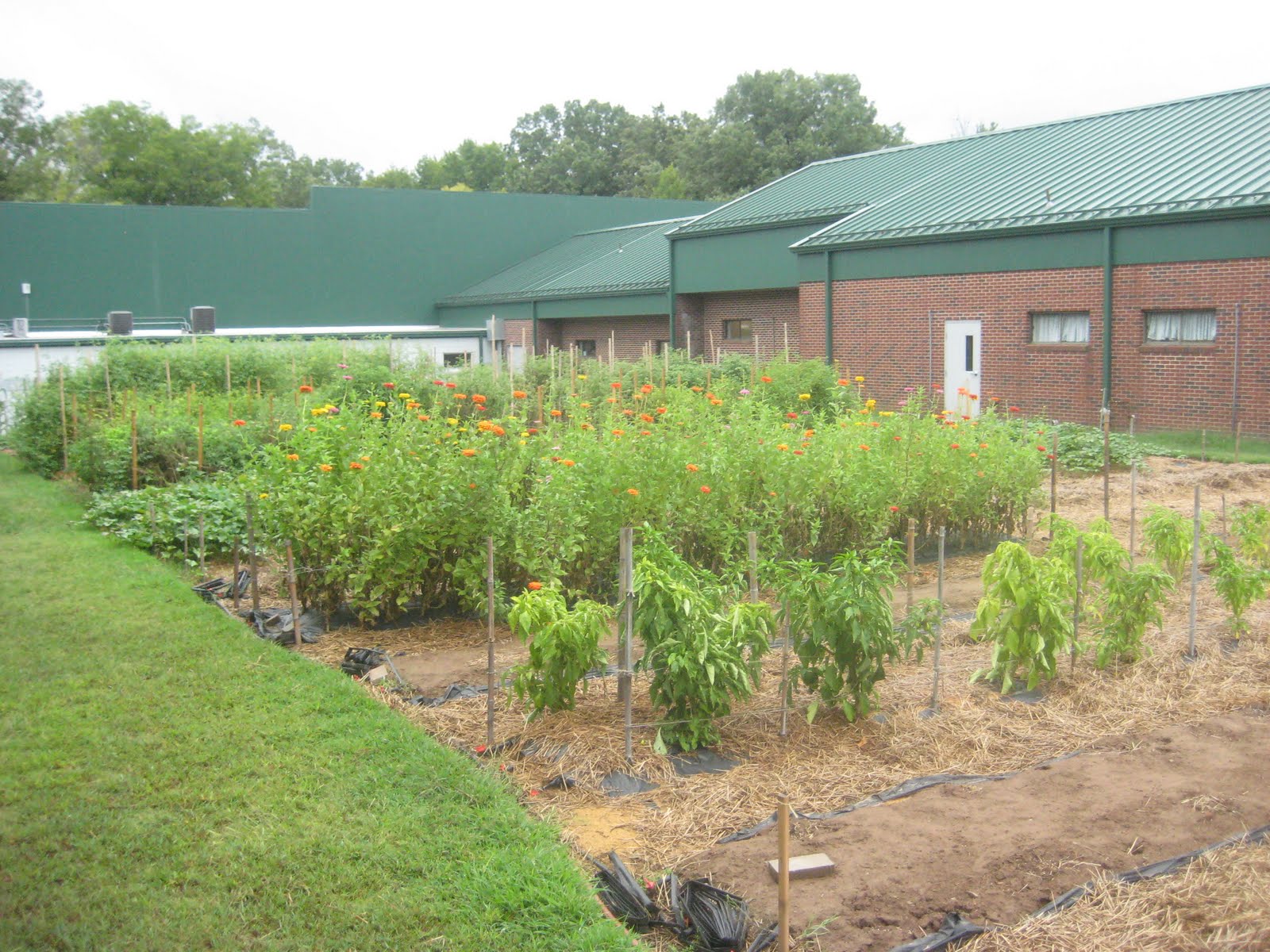
The following day we met up with Chris to head over to the School for a tour of the Delta Garden Study Project. This project is unique from many of the gardens that I’ve seen in that it is a childhood obesity study funded for a year by the USDA, and is deeply based in research and producing results. Students are measured for body mass at the beginning of the year, spend the year engaging in the garden, getting fresh air and exercise, learning about growing, cooking, and eating healthy food, and then are measured again at the end of the year. I do understand that measuring a child/teenagers body mass/weight is pretty invasive, but I think this has the potential to be a huge step in preventative health care. It’s the only youth garden that I know of that is actually quantifying the health benefits of gardening in such a rigorously scientific way.
I recently met with two amazing women at SF General who are in the beginning stages of organizing a program called HeartBeets, in which they are working to get fresh healthy food, in combination with nutrition education out to patients at the hospital. They are starting small and in exactly the right place, in the free diabetes classes offered at the hospital. This has put the preventative health care aspect of our work right at the forefront of my thinking, when honestly it usually get overshadowed by creating local food systems, fostering food security for low-no income folks, community building, youth development, etc. But all of these aspects are really rooted in cultivating the health of our community, both preventing and healing ailments and chronic illnesses with whole foods.


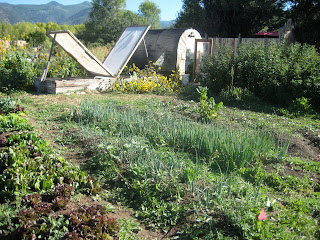
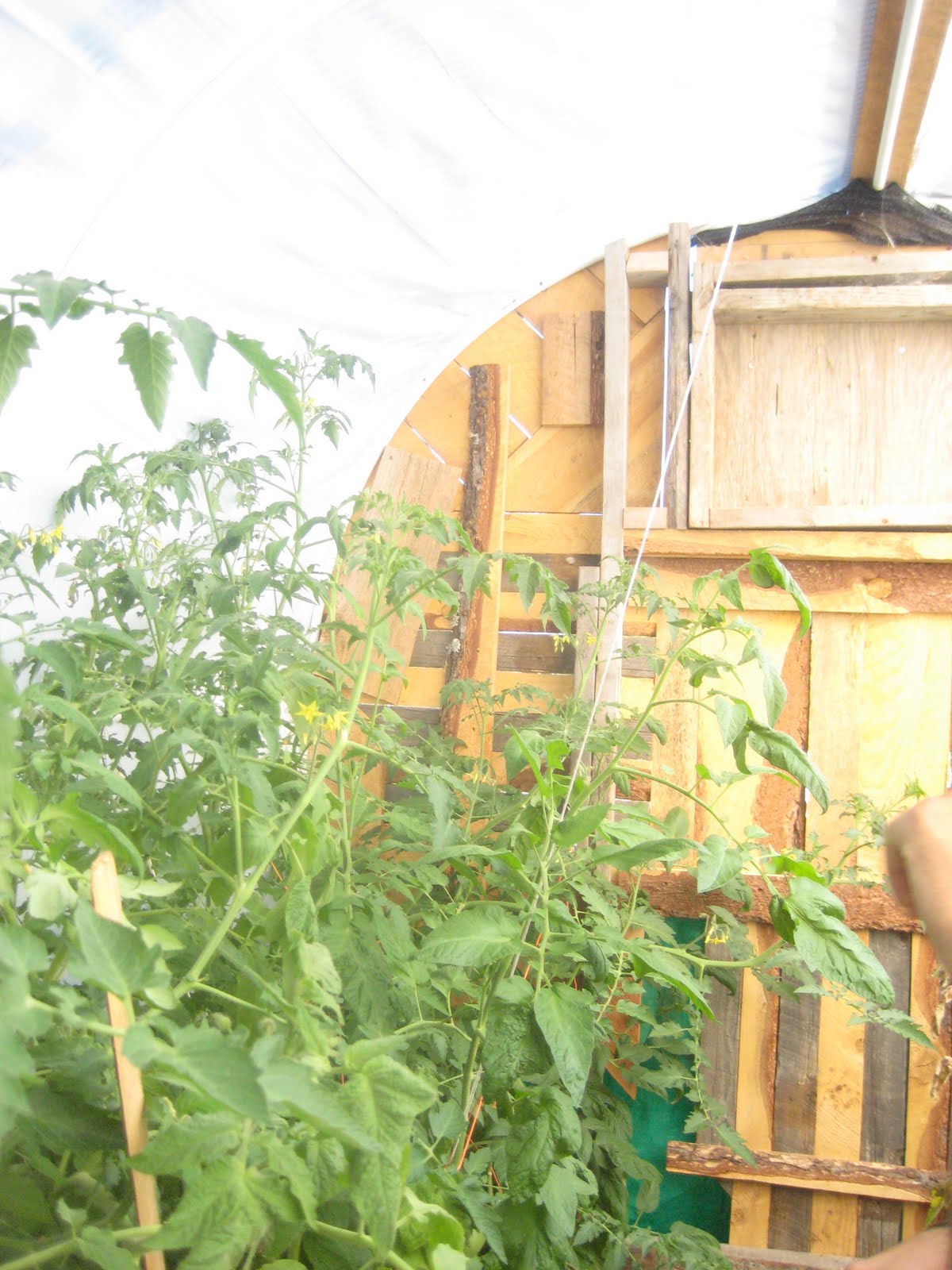
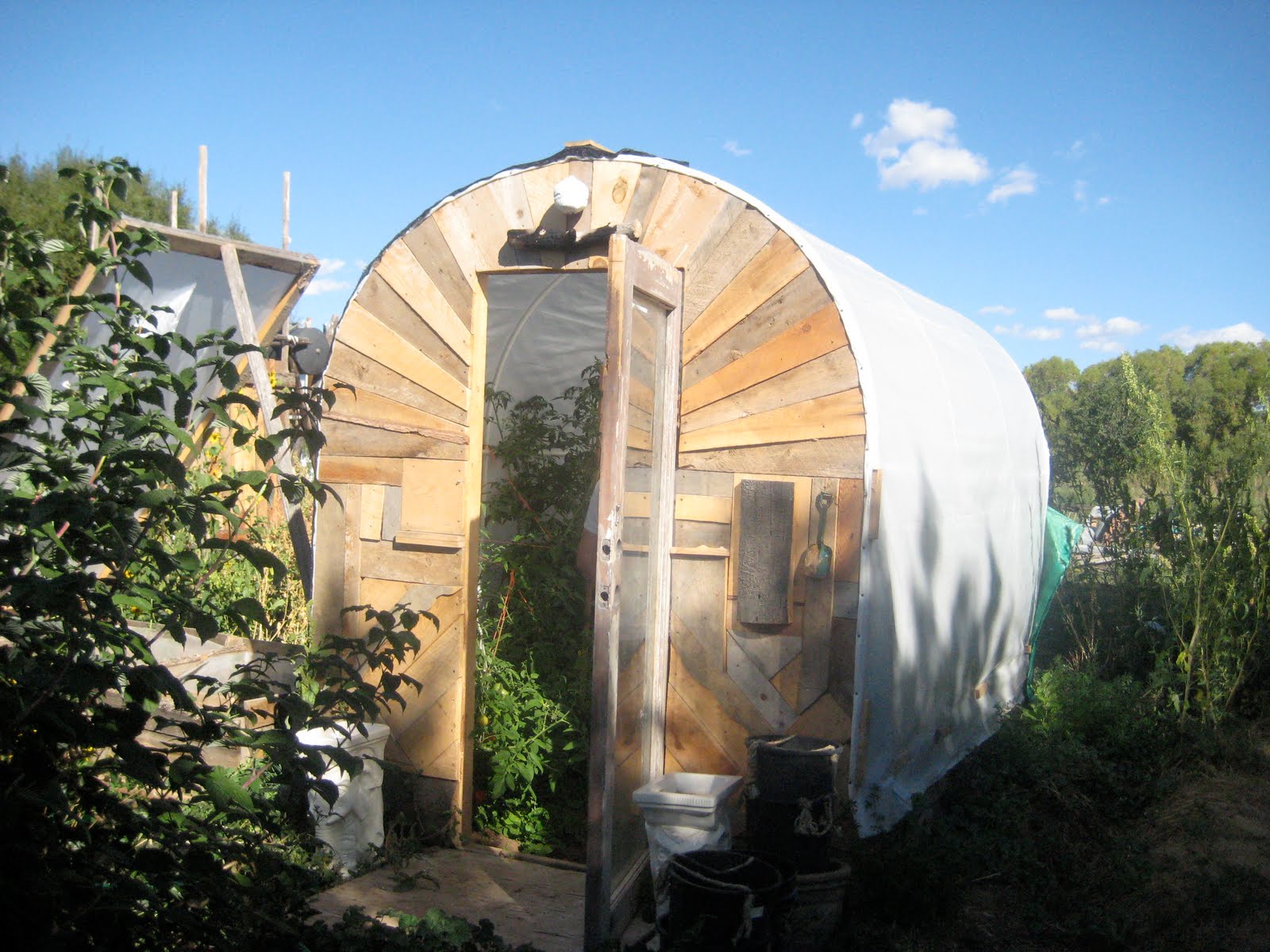
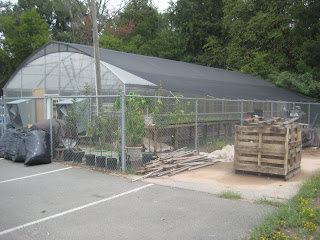
Getting back to the Mabelvale garden, there were a few things that really struck me about their programming and their actual garden. They had an enormous greenhouse and were building it out for vertical growing and to create living machine-style fish farming (super simply put-where you have a tank of fish, most often tilapia, under the beds where you grow veggies, the fish poop enriched water is cycled up to water the veggies and after a certain amount of time you can eat the fish if you like.) The Growing Power garden in Milwaukee, run by the amazing Will Allen, is notorious for their aquaculture and vertical gardening, and was the inspiration for the greenhouse build out at Mabelvale.

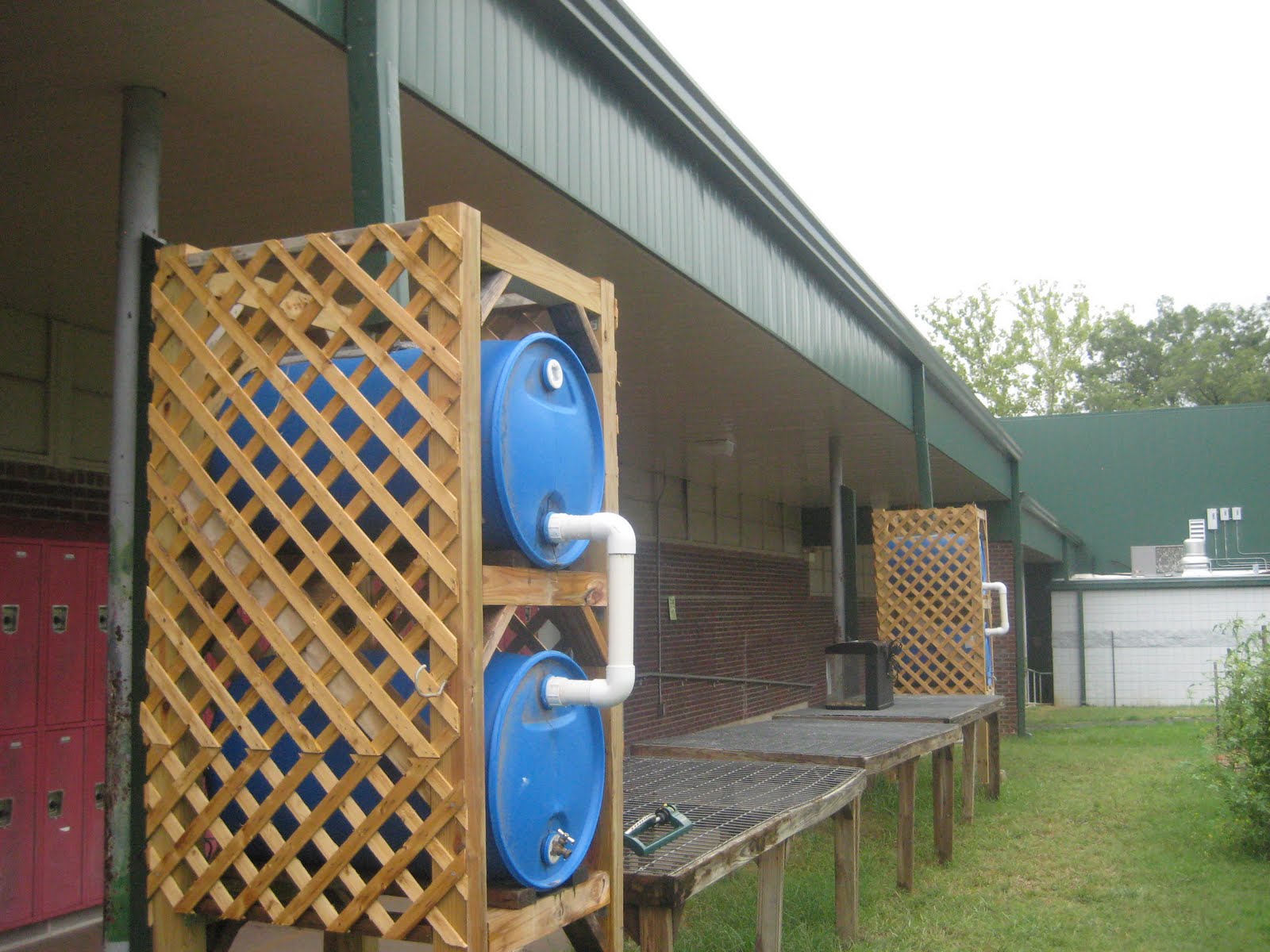
I also thought their rainwater collection barrels were set up in a smart and attractive way, with two barrels stacked on top of one another, and raised off the ground to maximize the gravity that will create the water pressure to flow to the garden. Rain barrels aren't always the most lovely part of gardens, being as they're often a giant plastic bucket or barrel of some kind. These had trellising on the side so they were a little less obtrusive, and you could grow vines up and over them for even more garden-y camouflage.

What stood out the most for me, was the community involvement at the school, and the resourceful, sustainable, organic methods that were helping this garden thrive. All the organic farming methods being utilized, the aquaculture, the rainwater harvesting, were the result of hiring a garden team, and especially a garden manager that believed in them, not a requirement of the USDA grant. Under different management the students could be learning about the benefits of petroleum based fertilizers and pesticides, while still fulfilling the requirements of the USDA.
In regards to the community, we met an enthusiastic teacher who spoke to us about the benefits the garden was already having for students who were less fluent in English, and students who came from farming backgrounds, who felt proud of the ability and knowledge they brought with them to the garden. This brought me back to this article condemning school gardening as an act of robbing immigrant students of an actual eduction and returning them to a place their parents had fought hard to help their kids escape from. I obviously disagree with this article, although I do think it's crucial for us to consider both sides, our intentions, the needs of the people we are trying to serve (in contrast with what we believe are the needs of the people we are trying to serve), and the outcomes of our work. I think that school gardening, as this teacher spoke to, has the ability to bridge gaps in students backgrounds, and for some students, offers a way for them to connect with and embrace their cultural heritage. I also believe that experiential learning that is a more effective way of understanding and retaining information and that anything that brings people together, outside, thinking and talking and using their hands, has to be positive.